

Neural networks are generative artificial intelligence (AI) and machine learning models used to replicate how the human mind thinks. By weaving together various nodes and neurons, neural networks are able to pull from various data points to solve specific and often complex problems.
Neural networks are integral in a variety of areas in enterprise. From image recognition and processing, to predictive text, chatbots, and other tasks that require natural language processing (NLP), neural networks have changed the way teams approach experience management, product development, and more.

Neural Networks in Modern Enterprise
Modern enterprises have long wrestled with a strategy for managing the firehose of data pouring into their organization every day. In order to foster a data culture and operate a data-driven organization, teams have needed a way to tame the overwhelm and tap into insights faster, easier, and with more accuracy.
Neural networks are one component that can get teams closer to that goal. Image recognition was the first way neural networks were used, but today’s enterprise-level organizations have adopted this technology to a wide swath of other use cases, including:
- Chatbots for customer service
- Tapping into predictive analytics
- Optimizing the employee experience
- Product development
- Virtual assistants
Any process that requires a heavy reliance on pattern recognition and data analysis can now be processed and/or automated via neural networks.
Gathering the Right Data to Feed Neural Networks
Neural networks rely on data to deliver the correct outputs. Therefore, the quality of the data its fed directly correlates with the quality of the output teams or customers receive.
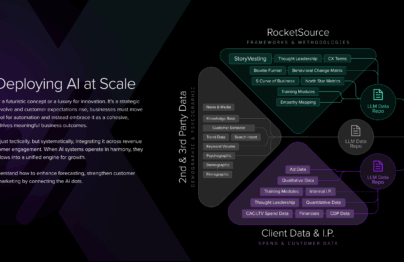
Understanding how to properly tap into data looping to maintain proper data hygiene when giving neural networks the fuel they need to operate efficiently requires human brain power. At RocketSource, we use the StoryVesting framework as our lens to make critical decisions about how to gather, analyze, map, and mine the data pouring into the organization. Through this approach paired with neural networks, we’ve developed a way to simplify a highly complex and data-rich environment to deliver tangible business outcomes that move teams up the S Curve of Growth.


Challenges of Neural Networks
With new technology often comes new challenges and risks. That’s why we pair the human approach of the StoryVesting framework with our approach to tapping into neural networks. In order to wield this technology properly in your organization, it’s important that you’re aware of the potential pitfalls with tapping into neural networks incorrectly.
Perhaps the biggest pitfall is a lack of trust in the output on the part of the customers or the employees. This lack of trust is often due to biases baked into the data sets that can be amplified through ongoing training. Having neutral data is paramount so these biases don’t erode brand trust or image. Inaccurate results can also yield this lack of trust, which is why maintaining human oversight is so crucial.
Another challenge is a lack of proper setup. Having the right rules in place for a neural network determines the accuracy of the results it delivers. In addition, having the right hardware dependencies in place allow for parallel processing abilities to make the network more reliable.
Neural Networks in Action
Despite the risks, neural networks aren’t something organizations today can ignore. The immense opportunities involved with using this technology correctly will be important as modern teams push their organizations up the S Curve of Growth through innovation.

Improve Customer Experience
Neural networks are an integral part of the customer experience because of their ability to solve complex problems and offer faster customer support. In order to maintain high customer satisfaction scores (CSAT), teams must be sure they’re setting up these networks with the proper data and rules.

Intelligent Decision Making
Teams equipped with data and outputs from neural networks are better equipped for intelligent decision making. Rather than leaning on human brain power alone, neural networks can spot patterns in complex data sets and allow teams to take a more data-driven stance when making decisions.

Democratize Data
Neural networks can gather data and information from a wide swath of departments and resources. With this wide amount of data brought into one place, teams can come together to tap into generative AI and look at the same data visualizations, spot patterns in the complexities, and work in closer unity toward the organization’s why.

Improved Employee Experience
Neural networks are skilled at uncovering hidden relationships between unexpected data points. With this capability, teams can harness volatile data sets faster, spot inconsistencies quicker, and make core business decisions more efficiently. By pairing human skillsets with neural networks, teams are freed up of tedious tasks improving the employee experience.
Customer Experience (CX) Terms
- 360° Degree View of the Customer
- Agentic AI
- AI Ops
- Annual Recurring Revenue
- Behavioral Economics
- Behavioral Insights Matrix
- Behavioral Triggers
- Bow Tie Funnel
- Brick-to-Click
- Business Impact Analysis (BIA)
- Cognitive Computing
- Cohort Analytics
- Content Mapping
- Convergence / Divergence Bands
- Conversational User Guidance
- Customer Data Profile
- Customer Experience (CX)
- Customer Friction
- Customer Insights Map
- Customer Journey
- Customer Journey Mapping
- Customer Satisfaction (CSAT)
- Customized Ratios
- CX Intelligence
- CX Led Growth
- CX Metrics
- Data as a Product (DaaP)
- Data as a Service (DaaS)
- Data Culture
- Data Driven
- Data Engineering
- Data Fabric
- Data Governance
- Data Humanization
- Data Hygiene
- Data Looping
- Data Mapping
- Data Mining
- Data Modeling
- Data Monetization
- Data Swamp
- Data Visualization
- Data Warehouse
- Data-Centric
- Descriptive Analytics
- Diagnostic Analytics
- Digital Asset Management (DAM)
- Digital Transformation
- Dirty Data In Dirty Data Out
- Domain Specific Models
- Embedded Intelligence
- Empathy Mapping
- Employee Data Profile
- Employee Experience (EX)
- EPS
- EX to CX Data Mapping
- EX to CX Mapping
- Experience Management (XM)
- Foundation Models
- Gap Analysis
- Generative Adversarial Network
- Generative AI
- GEO
- Hallucinations
- Human-Centered Design (HCD)
- IRR
- Journey Analytics
- Large Language Model
- Machine Learning (ML)
- Managed Agile Services on Demand
- Model Training
- Modified Hoshin
- MRR
- Neural Network
- North Star Metric
- Party Data
- Pathway to Purchase
- Predictive Analytics
- Product-Market Fit Mapping
- Real Time Design Looping
- Revenue Acceleration
- RevOps
- ROAS vs. ROI
- S Curve of Growth
- Stack Impact Analysis
- StoryVesting
- Table Stakes Testing
- The 3 P’s
- Transformers
- User Experience (UX)
- User Insights Map
- User Interface (UI)
- Vector Database
- Voice of the Customer (VoC)
- Voice of the Employee (VoE)
- X Analytics