

Behavioral economics combines insights from psychology and economics to explain how individuals make decisions.
This practice deviates from traditional economic theories because it stems from the fact that people are inherently bounded by rationality, creating cognitive limitations that prevent them from making rational decisions. Because decision-making is constrained through limited information, time, or processing capacity, behavioral economics deviates from traditional economic theories.


What Leads to Irrational Decision-Making?
There are several behavioral economics theories that showcase the limitations consumers have when making decisions and how the process unfolds more accurately. Understanding these theories can help address what’s happening in the buyer’s mind subconsciously as they’re making purchase decisions.
The Prospect Theory
States that people value gains and losses differently. Loss will hurt more than equivalent gains. In decision-making, people will base their outcomes on a reference point rather than in absolute terms.
The Nudge Theory
Shows that small chances in how choices are presented will influence consumer behaviors without restricting their freedom of choice.
Social Preferences and Reciprocity
Shows that consumers care about fairness and how others are treated, which makes them more altruistic in their decision-making. Likewise, they will respond to kind or unkind actions in kind.
The Nudge Theory
Shows that small chances in how choices are presented will influence consumer behaviors without restricting their freedom of choice.
The Endowment Effect
Determines that people overvalue what they already own compared to identical items they don’t already own, leading to a reluctance to buy or sell, even when it’s economically rational.
Mental accounting shows how people categorize their money into various accounts, treating each account differently which can lead to suboptimal spending and saving.
Behavioral Economics Accounts for Cognitive Biases
Similar to the behavioral economics theories listed above, consumers also enter the decision-making process with a number of biases that cloud their thinking. These biases are also subconscious and can stop a purchase from happening before they ever reach checkout.

Some Cognitive Biases Include:

Availability Bias
Where the customer overestimates the likelihood of events based on how easily usage examples come to mind.

Anchoring Bias
Happens when a customer relies heavily on the first piece of information they encountered.

Confirmation Bias
Occurs when the customer seeks information to support existing beliefs while ignoring contradictory information.

Time Inconsistency and Present Bias
Unfolds when the consumer overvalues immediate rewards and undervalues future benefits, often leading to undersaving and overspending.

Overconfidence and Optimism Bias
Shows people often overestimate their abilities and likelihood of positive outcomes while underestimating risk.

Status Quo Bias
Determines that people often avoid change and prefer things to stay the same even when that is less beneficial.
Accounting for Behavioral Economics as an Enterprise
As an enterprise, it’s imperative that you lean into understanding behavioral economics. Through a deeper understanding of how decisions are made and biases that can creep into the process, you can close the gap between what a person says they’re going to do on surveys or forms, and what their outward actions actually entail.
By listening to what people say while simultaneously watching how they behave in the marketplace, you can dig deeper into the emotional reasoning that supersedes logical decision-making factors. It’s this level of analysis around purchase intent that drives to the heart of what’s happening in your consumer’s mind when they’re working with your organization or the competition.
The Importance of Understanding Behavioral Economics
Tapping into behavioral economics at the enterprise level is critical for staying competitive, relevant, and growth-oriented.

Clearly Identify Total
Addressable Market
Understanding how buyers make decisions can open doors to a wider total addressable market (TAM). Through these deeper insights from behavioral economics practices, you can better understand messaging, product lines, and other elements that’ll equip you to capture a wider range of customers.

Stronger Qualitative Insights
Behavioral economics goes beyond the logical elements of qualitative data that look retroactively at what’s happened, and instead put your organization in a predictive stance to anticipate market needs and answer them with stronger products and messaging.

Architect New Experiences
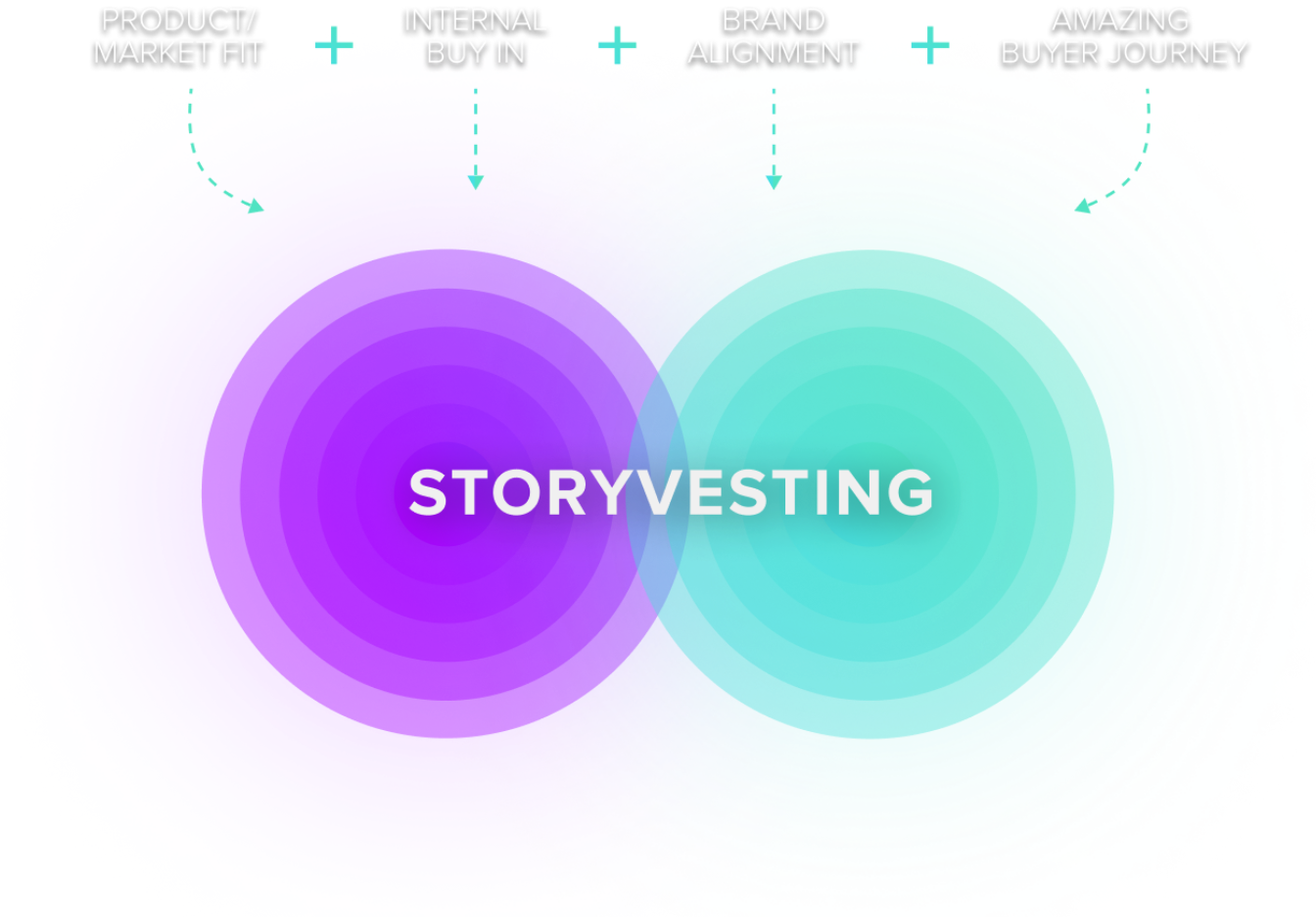
Gathering insights alone won’t give you the silver bullet to success. Leveraging a framework rooted in behavioral economics, like our StoryVesting™ framework will help you architect the kind of experiences that create household names and build brand euphoria.

Improve Path to Loyalty
The law of exposure states that what people expose themselves to, they become. For marketers, being able to tap into behavioral economics to better shape experiences that’ll align with their underlying emotions and needs will help you build trust over time and deliver experiences that will drive loyalty.


Customer Experience (CX) Terms
- 360° Degree View of the Customer
- Agentic AI
- AI Ops
- Annual Recurring Revenue
- Behavioral Economics
- Behavioral Insights Matrix
- Behavioral Triggers
- Bow Tie Funnel
- Brick-to-Click
- Business Impact Analysis (BIA)
- Cognitive Computing
- Cohort Analytics
- Content Mapping
- Convergence / Divergence Bands
- Conversational User Guidance
- Customer Data Profile
- Customer Experience (CX)
- Customer Friction
- Customer Insights Map
- Customer Journey
- Customer Journey Mapping
- Customer Satisfaction (CSAT)
- Customized Ratios
- CX Intelligence
- CX Led Growth
- CX Metrics
- Data as a Product (DaaP)
- Data as a Service (DaaS)
- Data Culture
- Data Driven
- Data Engineering
- Data Fabric
- Data Governance
- Data Humanization
- Data Hygiene
- Data Looping
- Data Mapping
- Data Mining
- Data Modeling
- Data Monetization
- Data Swamp
- Data Visualization
- Data Warehouse
- Data-Centric
- Descriptive Analytics
- Diagnostic Analytics
- Digital Asset Management (DAM)
- Digital Transformation
- Dirty Data In Dirty Data Out
- Domain Specific Models
- Embedded Intelligence
- Empathy Mapping
- Employee Data Profile
- Employee Experience (EX)
- EPS
- EX to CX Data Mapping
- EX to CX Mapping
- Experience Management (XM)
- Foundation Models
- Gap Analysis
- Generative Adversarial Network
- Generative AI
- GEO
- Hallucinations
- Human-Centered Design (HCD)
- IRR
- Journey Analytics
- Large Language Model
- Machine Learning (ML)
- Managed Agile Services on Demand
- Model Training
- Modified Hoshin
- MRR
- Neural Network
- North Star Metric
- Party Data
- Pathway to Purchase
- Predictive Analytics
- Product-Market Fit Mapping
- Real Time Design Looping
- Revenue Acceleration
- RevOps
- ROAS vs. ROI
- S Curve of Growth
- Stack Impact Analysis
- StoryVesting
- Table Stakes Testing
- The 3 P’s
- Transformers
- User Experience (UX)
- User Insights Map
- User Interface (UI)
- Vector Database
- Vector Database Copy
- Voice of the Customer (VoC)
- Voice of the Employee (VoE)
- X Analytics